
How Healthy Families Talk and Grow Together

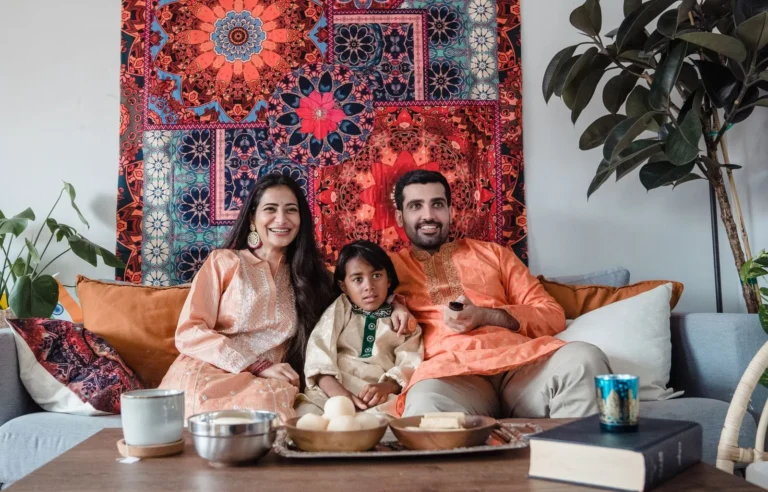
A family brings together people of different ages, habits and opinions under one roof, often three generations in the same home. What makes a family healthy is not that everyone agrees. It is that everyone feels heard, and that disagreements are talked through instead of being won or lost. When that happens, each person grows, and the family grows stronger with them.
What a healthy family conversation looks like
In families that grow together, conversations have a few things in common:
- Everyone gets a turn. The elders, the young couple and the teenagers can all say what they think, without being cut off or laughed at.
- The aim is to understand, not to prove who is right. People ask “why do you feel this way?” more often than “why are you always like this?”.
- No one is blamed in front of others. Problems are discussed as “our problem”, not “your fault”.
- Decisions are shared. Big choices, like a job change, a move, money matters or a child’s education, are discussed with the people they affect.
In such a home, people feel safe. No one has to fight to be noticed, and no one feels small. That sense of safety is what allows each member to try new things, admit mistakes and grow.
Why it matters in joint and extended families
In many Indian homes, parents, grandparents, married children and sometimes siblings’ families live together or stay closely involved. This brings real support: help with children, care for elders, and someone to turn to in difficult times. It also brings more opinions, more expectations, and more chances for small misunderstandings to grow.
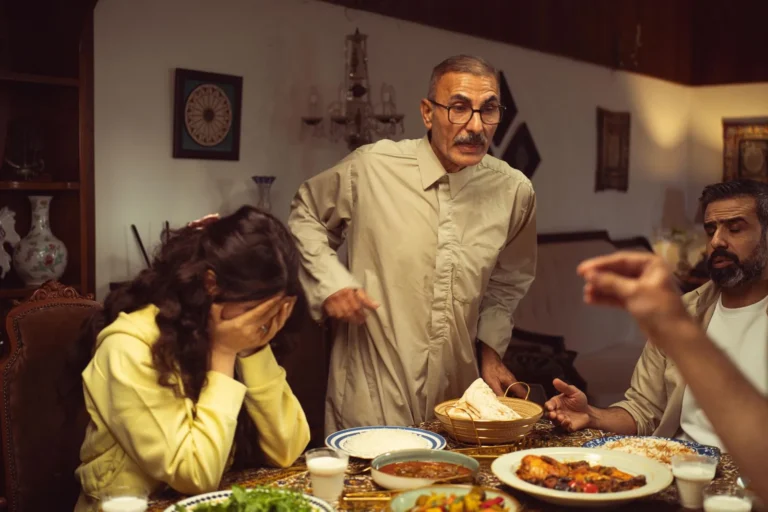
A daughter-in-law who never feels asked, a son caught between his wife and his mother, or an elder who feels their experience no longer counts. These situations rarely come from bad intentions. They usually come from the habit of deciding things without talking them through.
Simple habits that help families grow together
1. Make time to talk when things are calm
Many families only talk about important things during an argument. A short weekly chai or dinner conversation, where everyone can share what is on their mind, prevents a lot of hurt from building up.
2. Listen to the end before replying
Let the other person finish. Then say back what you heard: “So you feel that…” This alone lowers the temperature of most disagreements.
3. Respect different generations
Elders bring experience; younger members bring new ideas and pressures their parents may not have faced. Both are real. Respect means taking each other’s view seriously, even when you finally decide differently.
4. Talk about the issue, not the person
“The bills were paid late this month” is easier to solve than “you are careless with money”. Criticising a person makes them defend themselves; describing a problem invites them to help.
5. Celebrate small progress
Notice and appreciate when someone makes an effort. Growth in a family is gradual, and recognising it keeps everyone going.
Signs that communication at home needs help
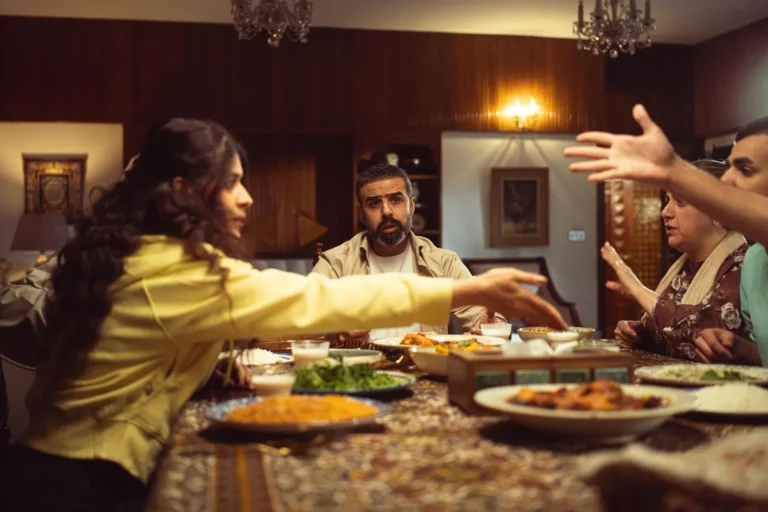
- The same argument keeps coming back, and nothing changes.
- Some family members have stopped speaking to each other, or only speak through others.
- Someone in the family seems withdrawn, anxious or unhappy most of the time.
- Children are starting to copy shouting, taunting or silent treatment.
If several of these sound familiar, it may help to talk with someone outside the family who will not take sides.
How family counseling can help
A family counselor gives everyone a fair chance to speak, helps the family understand what is really going on beneath the arguments, and works with you on practical ways to talk and decide together. Sometimes the whole family comes; sometimes one or two members start first. You can also read about how tone and timing change family conversations, or what to do when one family member is always criticised.
At Sambandhah, family counseling in Ahmedabad is available every day from 9 am to 9 pm, by appointment, at our centre, online or by phone.

Sambandhah is a relationship and marriage counseling centre in Ahmedabad, founded in 2020. Our articles are for general information and are not a substitute for professional advice. If you are in crisis, call 112 or Tele-MANAS on 14416.
About Sambandhah