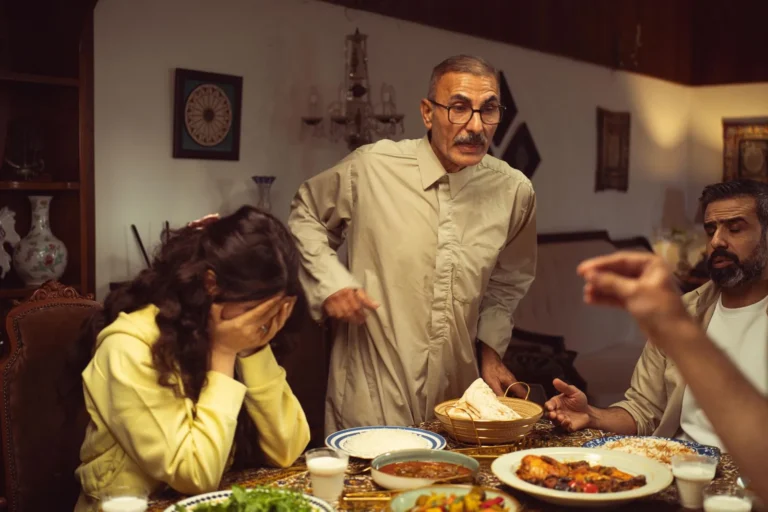

When One Family Member Is Always Criticised: How to Change It
A family is meant to be the place where we are supported when we are at our weakest. Yet in many homes, there is one person who is criticised more than others, compared, or made fun of in front of relatives. It may be a quieter child, a new daughter-in-law, an elder who has become forgetful, or someone going through illness or a difficult phase. Often no one means to hurt them. But over time, the effect on that person, and on the whole family, can be deep.
How it usually starts
It rarely begins as cruelty. It usually starts with small habits:
- Comparing one child’s marks, looks or behaviour with a sibling or cousin.
- Correcting someone in front of guests instead of in private.
- Jokes at one person’s expense that “everyone takes lightly”, except them.
- Decisions being made without asking the person they affect most.
- Blaming one member for every problem at home.
Because it happens slowly, the family may not notice that one person has become the target.
What it does to the person
Being criticised again and again by the people closest to you is painful. People in this position often:
- lose confidence and stop sharing their opinions;
- become anxious, withdrawn or easily upset;
- feel lonely even in a full house;
- start to believe they really are “not good enough”.
For some, this can lead to low mood, sleep problems or depression. A daughter-in-law may feel she has no place in her new home. A child may stop trying at school. An elder may feel they have become a burden.
What it teaches the children watching
Children learn how to treat people by watching how adults treat each other. When they see one person being belittled, they often copy it, and the same pattern continues into the next generation. The home becomes tense, and the warmth that should hold the family together slowly fades.
How families can change the pattern
1. Notice it
Ask honestly: is one person criticised, teased or compared more than others? Even noticing this is a big step.
2. Correct in private, appreciate in public
If something needs to be said, say it calmly and privately. Praise and thanks, on the other hand, can be shared in front of everyone.
3. Give that person a voice
Ask for their opinion in family decisions, and listen to the answer. Being asked tells a person they matter.
4. Offer support where they struggle
If someone is struggling, with studies, health, a new home or age, help them rather than pointing it out. Support is what a family is for.
5. Stop jokes and taunts that hurt
If a joke always lands on the same person, it is not harmless. Others in the family can gently stop it.
If you are the one being criticised
You are not alone, and it is not a sign that you are weak. It can help to talk to one family member you trust, to say calmly how certain comments make you feel, and to look after yourself through rest, friends and activities that bring you peace. If you feel very low or hopeless, please speak to someone. In India you can call Tele-MANAS on 14416 at any time, free.
When to get help from a counselor
When the pattern has gone on for a long time, or when talking at home only leads to more arguments, a neutral person can help. A family counselor can support the person who has been hurt, help the family see the pattern without blaming anyone, and work with everyone on a more respectful way of living together. You may also find it useful to read about how healthy families talk and grow together.
At Sambandhah, family counseling in Ahmedabad is available every day from 9 am to 9 pm, by appointment, at our centre, online or by phone. One person can start alone, and others can join later.

Sambandhah is a relationship and marriage counseling centre in Ahmedabad, founded in 2020. Our articles are for general information and are not a substitute for professional advice. If you are in crisis, call 112 or Tele-MANAS on 14416.
About Sambandhah